
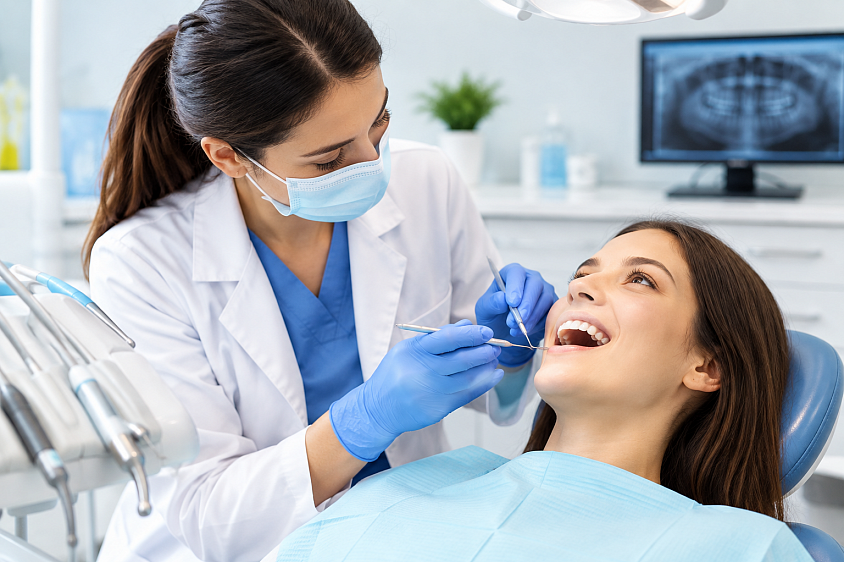
Practical Ways to Maintain a Healthy Smile Every Day
A healthy smile is built through small habits repeated consistently. Brushing, cleaning between the teeth, eating thoughtfully, drinking water, and paying attention to changes in the mouth all contribute to everyday oral health. Although dental appointments are important, much of the routine work happens at home. People interested in Wicker Park dentist care can benefit from understanding how simple daily choices influence their teeth and gums between appointments. Oral health is affected by more than brushing alone. Eating patterns, beverages, tobacco use, dental habits, and even the way a person handles stress can influence the mouth. Creating a manageable routine makes it easier to maintain these habits over time. The goal is not to make dental care complicated, but to make healthy choices part of normal daily life.
Start With Consistent Brushing
Brushing twice each day is one of the basic habits for maintaining clean teeth. A soft-bristled toothbrush can help remove plaque and food particles without unnecessary pressure on the enamel or gums. Gentle circular or controlled movements can be more appropriate than aggressive scrubbing. It is useful to clean the outer, inner, and chewing surfaces of the teeth while also paying attention to the gumline. Reaching every area may take a little patience, especially around back teeth. Toothbrushes should also be replaced when the bristles become worn or damaged. Consistency matters because plaque develops continuously. A single thorough brushing session cannot replace regular daily care. Building brushing into the morning and nighttime routine can make it easier to maintain over the long term.
Clean Between Your Teeth
A toothbrush cannot effectively clean every surface between teeth. Food particles and plaque can collect in these narrow spaces, making cleaning between teeth an important part of oral hygiene. Floss and other interdental cleaning tools can help reach areas that brushing misses. The most appropriate method may depend on tooth spacing, dental work, gum condition, and personal preference. Cleaning between teeth should be done carefully rather than with excessive force. Some people notice bleeding when they first improve their interdental cleaning habits, particularly when the gums are already irritated. Persistent bleeding should be discussed with a dental professional. Regular cleaning between teeth can make the daily oral care routine more complete and can help keep difficult-to-reach areas cleaner.
Choose Foods With Oral Health in Mind
Diet can influence the environment inside the mouth. Foods containing sugars and carbohydrates can interact with bacteria in plaque, while frequent acidic exposure can affect enamel. This does not mean that every sweet or acidic food must be avoided. Instead, frequency and overall eating patterns are important. Frequent snacking can provide repeated opportunities for the teeth to encounter acids produced by bacteria. Drinking water with meals and throughout the day can help rinse the mouth. Crunchy fruits and vegetables can also be part of a balanced eating pattern. The broader goal is to avoid making the teeth face repeated exposure to conditions that can contribute to decay or enamel wear. Thoughtful choices can complement good brushing and professional dental care.
Make Water Part of Your Routine
Water is a simple choice that can support everyday oral health. It can help rinse away food particles and residue while supporting normal saliva function. Saliva naturally helps protect the teeth by washing surfaces and contributing to the mouth's normal balance. Choosing water instead of frequently consuming sugary or acidic beverages can reduce repeated exposure to substances that may contribute to tooth problems. Water can also be useful after meals when brushing is not immediately practical. People who drink enough water throughout the day may find it easier to maintain a comfortable mouth. While water does not replace brushing or interdental cleaning, it can be a helpful part of a broader routine focused on keeping the mouth clean and comfortable.
Protect Teeth From Unnecessary Pressure
Teeth are strong, but they are not designed to function as tools. Opening packages, biting pens, chewing ice, or repeatedly chewing hard objects can create unnecessary pressure. These habits may contribute to chips, cracks, or excessive wear. Clenching and grinding can also place additional stress on teeth and jaw muscles. Some people grind during sleep and may not realize it is happening. Signs such as flattened tooth surfaces, jaw soreness, or recurring sensitivity can be worth discussing with a dental professional. Protecting teeth means considering not only what is placed in the mouth but also how much force is applied. Small changes to everyday habits can reduce avoidable stress on tooth structure.
Pay Attention to Changes
People become familiar with how their mouths normally feel, so changes can sometimes be noticed before they become significant. A new area of sensitivity, bleeding gums, swelling, a rough tooth edge, persistent bad breath, or discomfort while chewing may deserve attention. Not every change indicates a serious dental problem, but persistent symptoms should not be ignored. A dental professional can evaluate the mouth and determine whether the change is connected to a specific concern. Keeping track of when symptoms occur can also be helpful. For example, noting whether sensitivity appears with cold foods, pressure, or brushing may provide useful information. Early communication allows concerns to be assessed rather than left unexplained.
Keep Dental Appointments Consistent
Daily home care and professional dental visits work together. Regular examinations provide an opportunity to assess areas that are difficult to see or evaluate at home. Dental professionals can also discuss brushing technique, interdental cleaning, diet, sensitivity, and other concerns based on an individual's oral health. Maintaining appointments can help people stay aware of changes rather than waiting until discomfort becomes disruptive. A consistent schedule is easier to maintain when appointments are planned in advance and treated as part of routine personal care. People seeking Wicker Park dentist care can use regular visits as an opportunity to review their oral health habits and discuss anything that has changed since the previous appointment.
Member Spotlight
Urban Smiles Dental
1300 N Ashland Ave #123A
Chicago, IL 60622, USA
Phone 773-819-7724
https://urbansmileschicago.com/
Get Map Direction
https://maps.app.goo.gl/C6VoYLP3AwwQ1oq49
Maintaining a healthy smile involves daily care supported by regular professional attention. General dentistry can provide routine examinations and help patients understand the condition of their teeth and gums. Cosmetic dentistry may address concerns related to the appearance of the smile, while Invisalign can be an option for suitable alignment needs. Dental implants and bridges can help replace missing teeth, and crowns can restore certain damaged teeth. Root canals may be used to address problems affecting the inside of a tooth, while wisdom teeth extraction can be considered when those teeth cause specific concerns. Emergency dentistry is available for situations involving sudden pain, injuries, or other urgent dental problems. Maintaining consistent Wicker Park dentist care gives people an opportunity to combine everyday habits with professional guidance and keep oral health as a regular part of their overall routine.
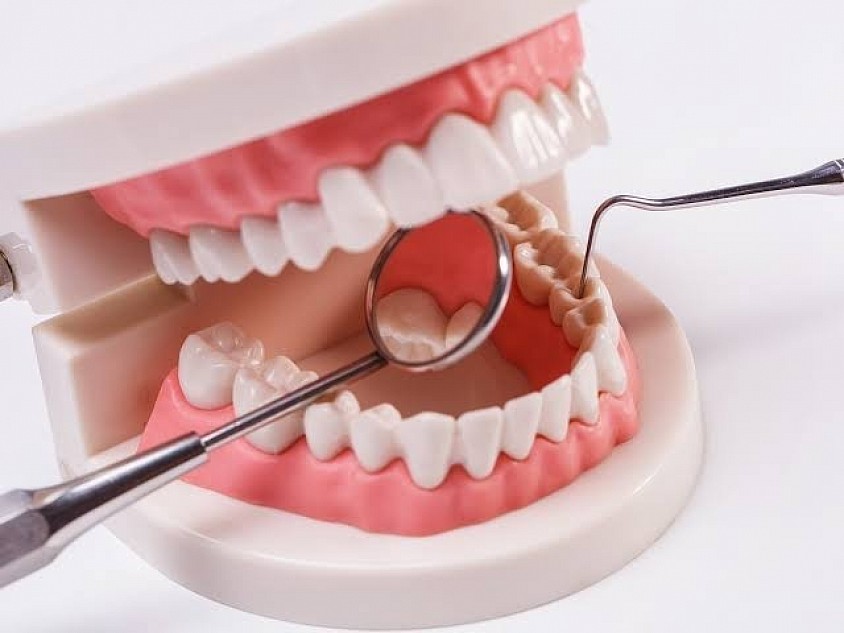
What to Know Before Replacing a Missing Tooth
Losing a tooth can affect more than appearance. A missing tooth may change how a person chews, how neighboring teeth interact, and how confident they feel when smiling or speaking. The right approach depends on the location of the missing tooth, the condition of surrounding teeth, personal preferences, and professional evaluation. People considering replacement should take time to understand their choices instead of selecting an option based only on appearance. A Wicker Park dentist can discuss the condition of the mouth and explain possible approaches based on individual circumstances. Learning the basics can make the decision process easier and help patients enter consultations with realistic expectations. Why Tooth Replacement Matters A missing tooth can create changes in the way a person uses the mouth. Neighboring teeth may experience different pressure, and chewing may become less comfortable depending on the location of the gap. Some people adapt easily, while others notice a meaningful difference in daily activities. Tooth replacement is therefore not only about restoring the appearance of a smile. It can also be about supporting normal function and maintaining a balanced bite. The importance of replacement varies between individuals. A professional examination can help determine what is happening around the missing tooth and whether replacement would be beneficial based on the person's dental needs. Understanding Different Options There are several ways a missing tooth may be replaced, and each option has different considerations. Dental implants can replace the visible portion of a tooth while also using an implant placed in the jaw. Bridges can use neighboring teeth to support a replacement tooth. The appropriate choice depends on factors such as oral health, bone condition, surrounding teeth, and personal preferences. Patients should not assume that one option is automatically right for everyone. A dental professional can explain how different approaches work and discuss the advantages and limitations relevant to the individual's situation. Understanding these differences can make conversations about treatment more productive and less overwhelming. Considering the Condition of Surrounding Teeth The teeth around a missing tooth can influence replacement planning. If nearby teeth are healthy and strong, certain options may be easier to consider. If neighboring teeth have significant damage, decay, or other concerns, those issues may need attention first. The gums and supporting structures also matter because a replacement needs a suitable foundation. A comprehensive evaluation helps reveal the condition of the surrounding area rather than focusing only on the visible gap. Patients can ask how each option would interact with existing teeth and what preparation may be needed. This broader view helps create a treatment plan that considers the entire mouth rather than one missing tooth alone. Thinking About Daily Function A replacement tooth should fit into everyday life. Patients may want to know how an option affects chewing, cleaning, speaking, and comfort. Maintenance requirements can also differ between approaches. Understanding these practical considerations is important because a treatment decision should work for the person's routine. Someone who values a particular type of maintenance may have different preferences from another patient. Dental professionals can explain what daily care involves and what changes, if any, a person should expect. Asking practical questions before treatment can help reduce uncertainty and make it easier to choose an option that fits personal expectations and oral health needs. The Importance of Gum and Bone Health The condition of the gums and jawbone can influence tooth replacement decisions. Healthy supporting structures provide a stronger foundation for many dental treatments. If there are concerns involving the gums or the bone around a missing tooth, those issues may need to be evaluated before replacement. This does not mean that every patient has the same requirements. Dental professionals assess the mouth individually and consider factors that can affect treatment. Patients should feel comfortable asking why a particular evaluation is recommended. Understanding the purpose of each step can make the process easier to follow and helps patients participate in decisions about their care. Planning for Long-Term Care Tooth replacement is not necessarily the final step in oral care. The replacement and surrounding teeth still need regular cleaning and professional attention. Patients should understand how to maintain the area and which signs may indicate a problem. Good home care can help keep the mouth clean, while regular professional visits allow the dental team to assess changes. The surrounding teeth also remain important because they continue to experience normal chewing forces. Treating a replacement as part of the larger oral environment encourages better long-term habits. Patients can ask about cleaning methods and follow-up appointments before treatment begins so they know what ongoing care involves. Making an Informed Decision Choosing how to replace a missing tooth should be a collaborative process. Patients can consider appearance, comfort, function, maintenance, treatment requirements, and personal preferences. A professional evaluation provides information that cannot be determined from photographs or general descriptions alone. People should also feel comfortable taking time to ask questions and understand their options. There may be more than one reasonable approach, and the best choice depends on the individual's circumstances. Clear communication can help patients avoid making decisions based on assumptions. When people understand the reasons behind a recommendation, they are better prepared to participate in their own dental care and maintain realistic expectations. Member Spotlight Urban Smiles Dental 1300 N Ashland Ave #123A Chicago, IL 60622, USA 773-819-7724 https://urbansmileschicago.com/ Get Map Direction https://maps.app.goo.gl/C6VoYLP3AwwQ1oq49 Missing teeth can affect comfort and daily function, and professional care can help people understand their options. A Wicker Park dentist may offer general dentistry, cosmetic dentistry, Invisalign, dental implants, emergency dentistry, wisdom teeth extraction, root canals, dental crowns, and bridges. Dental implants and bridges can be considered when replacing missing teeth, depending on the condition of the mouth and the patient's needs. A professional evaluation can also identify concerns involving neighboring teeth or supporting structures. The goal is to choose an approach that fits both oral health and daily life. Patients can discuss treatment options, maintenance, and long-term care before making a decision.
Common Signs Your Oral Health Needs More Attention
A healthy smile often reflects the care that takes place every day. Many people continue with the same routine for years without noticing small changes that may be developing inside the mouth. Paying attention to early signs can help protect teeth and gums before minor concerns become more noticeable. Individuals searching for an emergency dentist Wicker Park are often looking for reliable information about situations that should never be ignored. Understanding the warning signs of oral health changes helps people make informed decisions while encouraging healthy habits that support long term dental wellness. Simple awareness, combined with consistent care, allows many common concerns to be recognized earlier and addressed before they affect everyday comfort.
Changes in Your Mouth Should Never Be Ignored
The mouth often gives early signals when something is changing. While occasional sensitivity may happen after eating very cold or hot foods, discomfort that continues for several days deserves attention. Bleeding gums during brushing or flossing should also not become part of a normal routine. Healthy gums generally do not bleed with gentle cleaning. Persistent bad breath that does not improve after brushing may also indicate that the mouth needs additional care. Some people notice small changes in the appearance of their gums, such as swelling or redness, while others experience discomfort when chewing certain foods. These signs may appear gradually, making them easy to overlook during busy daily life. Paying close attention to these small differences helps people respond sooner rather than waiting until symptoms become more noticeable. Regular self awareness encourages better oral health because problems are often easier to manage when identified early. Becoming familiar with the normal appearance and feeling of your teeth and gums makes it easier to recognize when something changes.
Daily Habits Can Reveal Hidden Problems
Many oral health concerns develop slowly over time, which is why everyday routines provide valuable opportunities to notice changes. Brushing and flossing each day allow people to observe areas that may become more sensitive, swollen, or difficult to clean. Looking in the mirror while brushing can reveal changes in gum color or tooth appearance that might otherwise go unnoticed. If food begins getting trapped between certain teeth more often than before, it may indicate that something has changed. Teeth that suddenly feel rough, loose, or unusually sensitive should also receive attention instead of being ignored. Dry mouth is another condition that deserves awareness because saliva plays an important role in protecting the teeth from acids and helping remove food particles. Drinking enough water throughout the day supports natural saliva production while helping maintain a healthier oral environment. These observations do not replace routine dental visits, but they encourage individuals to become active participants in protecting their own oral health through careful daily attention.
Regular Prevention Helps Avoid Unexpected Problems
Preventive care remains one of the most effective ways to maintain healthy teeth and gums throughout life. Routine dental examinations allow small concerns to be identified before they develop into more noticeable conditions. Professional cleanings remove hardened plaque that cannot be eliminated through brushing and flossing alone. During these appointments, oral tissues, gums, and teeth can be evaluated for changes that may not be visible during everyday home care. Preventive visits also provide opportunities to ask questions about oral hygiene techniques and receive practical advice for maintaining a healthy smile. Children benefit from developing positive dental habits early, while adults continue supporting their oral health through regular evaluations. Establishing a consistent schedule for preventive care encourages confidence because individuals know their oral health is being monitored over time. Prevention is not only about avoiding discomfort. It is also about preserving natural teeth and supporting overall wellness through steady, consistent care that continues year after year.
Healthy Lifestyle Choices Support Lasting Oral Wellness
Oral health is closely connected to daily lifestyle decisions. A balanced diet, proper hydration, quality sleep, and stress management all contribute to healthier teeth and gums. Limiting frequent sugary snacks reduces the amount of acid produced inside the mouth, while nutritious meals provide important vitamins and minerals that support healthy oral tissues. Some people grind or clench their teeth during sleep without realizing it, leading to gradual wear over time. Becoming aware of these habits encourages earlier action before additional damage develops. Paying attention to discomfort while chewing, increased tooth sensitivity, or changes in the appearance of the gums should never be delayed. The sooner changes are noticed, the sooner appropriate care can be considered. Consistent daily habits remain one of the strongest ways to protect oral health over the long term. Individuals researching emergency dentist Wicker Park often recognize the importance of responding quickly when unexpected dental concerns arise instead of waiting for symptoms to become more severe.
Member Spotlight
Urban Smiles Dental
1300 N Ashland Ave #123A
Chicago, IL 60622, USA
Phone 773-819-7724
https://urbansmileschicago.com/
Get Map Direction
https://maps.app.goo.gl/C6VoYLP3AwwQ1oq49
Healthy teeth and gums benefit from regular attention, consistent home care, and professional preventive support throughout every stage of life. Choosing an emergency dentist Wicker Park when urgent dental concerns arise allows prompt evaluation of unexpected situations while helping protect long term oral health. General dentistry supports routine preventive care that complements daily brushing and flossing habits. Cosmetic dentistry may improve the appearance of a smile, while Invisalign offers an option for improving tooth alignment. Dental implants can replace missing teeth and restore everyday function, and dental crowns or bridges help strengthen or replace damaged teeth. Root canals may preserve natural teeth affected by deep infection, while wisdom teeth extraction may be appropriate when those teeth create crowding or discomfort. Emergency dentistry provides timely care when sudden dental pain, broken teeth, or other urgent problems occur. Combined with healthy eating, regular hydration, routine dental examinations, and careful oral hygiene, these approaches help maintain stronger teeth, healthier gums, greater comfort, and lasting confidence in your smile for many years.
The Importance of Oral Health Education for Families
Good oral health starts with knowledge. Families who understand how daily habits affect teeth and gums are often better prepared to maintain healthy smiles throughout life. In many Chicago communities, people looking for a Wicker Park dental practice frequently want reliable information that helps them make informed decisions about oral wellness. Education creates awareness, encourages positive habits, and helps people feel more confident about caring for their oral health at every stage of life.
Why Learning About Oral Health Matters
Oral health education provides people with the tools they need to make better decisions every day. Many common dental concerns develop gradually, which means understanding prevention can be just as important as maintaining healthy habits. When individuals learn about the connection between daily routines and oral wellness, they are more likely to stay consistent with their care.
Education also helps remove confusion. Many people hear conflicting information about oral health from different sources. Learning from trusted educational resources allows families to understand best practices and build routines that support long term wellness. Knowledge gives people confidence and helps them take an active role in protecting their smiles.
As individuals become more informed, they often develop a stronger appreciation for preventive care. This awareness can encourage healthier habits that continue throughout childhood, adulthood, and later years. The more people understand about oral health, the more empowered they become to make positive choices.
Teaching Healthy Habits at an Early Age
Children often learn important health habits from the people around them. Introducing positive oral care routines early can help create lifelong behaviors that support healthy smiles. Families who focus on education at home often find that children become more engaged in their own oral health journey.
Simple lessons about brushing, flossing, and making healthy choices can have a lasting impact. Children who understand why oral health matters are often more motivated to follow daily routines. These habits become easier to maintain when they are introduced consistently and reinforced over time.
Parents also benefit from ongoing education. As recommendations evolve and children grow, staying informed helps families adapt their routines to changing needs. Learning together creates opportunities for meaningful conversations about health and wellness while supporting better outcomes for everyone in the household.
How Community Awareness Supports Better Oral Wellness
Communities play an important role in promoting oral health education. Schools, local organizations, and healthcare providers often share information that encourages healthy habits and preventive awareness. These efforts help individuals access valuable resources that support long term wellness.
Community education initiatives can increase awareness about common oral health topics while encouraging people to take a proactive approach to their care. Access to reliable information helps reduce misunderstandings and promotes healthier decision making. When people understand how oral health affects overall wellbeing, they are more likely to prioritize preventive habits.
Neighborhoods that support health education often create environments where families feel encouraged to learn and grow. This shared focus on wellness benefits individuals of all ages and contributes to stronger, healthier communities.
Building a Foundation for Lifelong Oral Health
Oral health education is not limited to any specific age group. Learning continues throughout life as people encounter new situations, responsibilities, and health goals. A strong educational foundation helps individuals adapt to changing needs while maintaining healthy habits over time.
When people understand the reasons behind oral care recommendations, they are often more committed to following them consistently. Education supports informed decision making and encourages long term thinking rather than short term solutions. This mindset helps individuals take greater ownership of their oral wellness.
As awareness grows, families become better equipped to support each other in maintaining healthy smiles. Education creates opportunities for prevention, confidence, and lifelong wellness. By continuing to learn and apply healthy habits, individuals can enjoy the benefits of strong oral health for many years.
Member Spotlight
Urban Smiles Dental
1300 N Ashland Ave #123A
Chicago, IL 60622, USA
Phone: 773-819-7724
https://urbansmileschicago.com/
Get Map Direction
https://maps.app.goo.gl/C6VoYLP3AwwQ1oq49
Urban Smiles Dental is committed to creating a positive experience for every patient who walks through the door. The team believes that comfort, communication, and trust are essential parts of quality dental care. By focusing on patient education and personalized attention, they help individuals feel informed and confident about their oral health decisions.
Located in Chicago, the practice has built a reputation for providing compassionate care in a welcoming environment. Patients appreciate the supportive atmosphere and the attention given to their unique needs and concerns. Every visit is designed to help people feel comfortable while receiving guidance that supports long term oral wellness.
Modern technology and a patient first philosophy allow the team to deliver care with efficiency and attention to detail. Many local residents value a practice that takes the time to listen and explain options clearly. Those searching for a trusted Wicker Park dental provider often appreciate an office that combines professionalism with genuine compassion. Urban Smiles Dental continues to focus on building lasting relationships while helping patients maintain healthy smiles and greater confidence in their oral health journey.
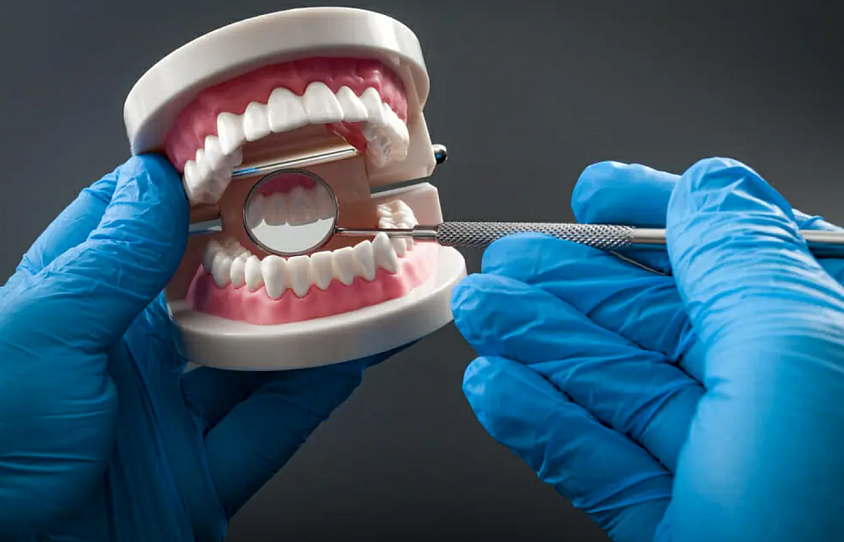
How Stress Can Affect Oral Health and Daily Comfort
Stress influences the body in many ways, including oral health. Many people do not immediately connect emotional stress with dental discomfort, yet the effects can become noticeable over time. Patients often speak with an emergency dentist Wicker Park residents trust after experiencing jaw tension, headaches, or sudden tooth sensitivity connected to stressful routines. While stress itself may not directly damage teeth, the habits and reactions linked to stress can affect oral wellness significantly.
The Connection Between Stress and Oral Habits
Stress often changes daily routines without people fully realizing it. Some individuals begin clenching their teeth during the day or grinding them while sleeping at night. Others may skip brushing before bed because they feel exhausted after busy schedules. These habits can gradually place pressure on teeth and gums.
Teeth grinding may contribute to soreness in the jaw, facial tension, and increased sensitivity. Many adults are unaware they grind their teeth until symptoms begin affecting their comfort. Stress related grinding may also interrupt sleep quality, which creates additional strain on overall wellness.
Changes in eating habits are another common effect of stress. Some people snack more frequently or choose sugary comfort foods during difficult periods. Frequent snacking may increase plaque buildup and expose teeth to repeated acid activity throughout the day. Stress may also reduce motivation to maintain consistent oral hygiene routines.
Understanding these connections helps people recognize that oral wellness is closely linked to everyday lifestyle habits. Awareness often encourages individuals to take preventive steps before discomfort becomes more noticeable.
How Jaw Tension Develops During Stressful Periods
Jaw tension is one of the most common physical effects associated with stress. Many people unconsciously tighten facial muscles throughout the day, especially during work, driving, or emotionally difficult situations. This constant pressure may create discomfort around the jaw joints and surrounding muscles.
Some individuals wake up with soreness because they clench their teeth while sleeping. Others notice headaches that seem connected to facial tension. Over time, repeated pressure may contribute to tooth wear or increased sensitivity while chewing.
Relaxation techniques may help reduce tension in some cases. Gentle stretching, improved sleep routines, and stress management habits may support better comfort over time. People who become more aware of their jaw position during stressful moments may also reduce unconscious clenching throughout the day.
Maintaining healthy oral habits during stressful periods remains important because stress may increase the likelihood of neglecting preventive care. Consistent routines help support overall oral wellness even when schedules become overwhelming.
The Impact of Stress on Gum Health
Stress may also influence gum health in several ways. People under emotional pressure sometimes experience inflammation throughout the body, including inside the mouth. Inconsistent brushing and flossing habits during stressful periods may allow plaque to collect near the gumline more easily.
Gum irritation may begin with mild redness or occasional bleeding during brushing. These symptoms sometimes seem minor at first, but ongoing neglect may allow inflammation to worsen gradually. Preventive care habits become especially important during busy or emotionally difficult times.
Dry mouth can also become more common during periods of stress. Some individuals breathe through their mouths more frequently when anxious, while others experience dryness related to lifestyle habits or disrupted sleep patterns. Reduced saliva flow may allow bacteria to remain active longer inside the mouth.
Healthy gums contribute to overall comfort and confidence, which is why maintaining preventive care habits matters even during stressful routines. Small daily efforts may help support healthier conditions over time.
Why Sleep and Oral Health Are Closely Connected
Stress often affects sleep quality, and poor sleep may contribute to oral discomfort in several ways. Individuals who do not sleep well may experience more jaw tension, nighttime grinding, or reduced motivation to maintain healthy routines. Sleep disruption may also increase fatigue, making it easier to overlook brushing and flossing habits.
A healthy sleep schedule supports overall wellness and may help reduce stress related behaviors that affect the mouth. Creating relaxing evening routines and limiting distractions before bedtime may contribute to better rest. People who sleep more comfortably often notice improvements in overall energy and daily wellness.
Hydration also matters during sleep because dry mouth commonly occurs overnight. Drinking enough water during the day may support healthier moisture levels inside the mouth and improve comfort overall.
Recognizing the relationship between sleep and oral wellness encourages people to take a more balanced approach to self care. Good habits in one area of life often support healthier outcomes in another.
Creating Healthier Daily Routines During Stressful Times
Stress cannot always be avoided, but healthy routines may help reduce its impact on oral wellness. Consistent brushing and flossing remain important even during busy schedules. Small habits performed daily often provide long term benefits for teeth and gums.
People may also benefit from paying closer attention to tension throughout the day. Relaxing the jaw, taking breaks from screens, and practicing calming activities may support better comfort. Staying hydrated and maintaining balanced meals also contribute to healthier oral conditions.
Preventive awareness is essential because many stress related oral habits develop gradually. Individuals who recognize early signs of grinding, tension, or gum irritation may take action before symptoms worsen. Routine oral care combined with stress management habits often supports better overall wellness.
Healthy oral habits should feel realistic rather than overwhelming. Simple and consistent routines usually provide the strongest long term support for maintaining comfort and confidence during stressful periods.
Member Spotlight
Urban Smiles Dental
1300 N Ashland Ave #123A
Chicago, IL 60622, USA
Phone 773-819-7724
https://urbansmileschicago.com/
Get Map Direction
https://maps.app.goo.gl/C6VoYLP3AwwQ1oq49
Stress can influence oral health in ways that many people do not immediately recognize. Individuals searching for guidance from an emergency dentist Wicker Park community often want to understand how jaw tension, teeth grinding, and disrupted routines affect daily comfort over time. Stress related habits may contribute to sensitivity, gum irritation, headaches, and changes in oral hygiene consistency. Maintaining healthy routines during busy or emotionally difficult periods helps support stronger long term oral wellness. Brushing carefully, flossing consistently, staying hydrated, and improving sleep habits all contribute to healthier conditions inside the mouth. Awareness also plays an important role because many people do not notice stress related oral habits until discomfort becomes more noticeable. Paying attention to tension and maintaining preventive care habits may help reduce the impact of stress on teeth and gums. Healthy routines practiced consistently often support greater comfort, improved confidence, and better overall wellness throughout daily life.

Simple Evening Choices That Help Teeth Recover Overnight
Evening Hours Give Teeth Time to Reset After a Full Day
The mouth experiences constant activity from morning until night through meals, drinks, conversations, and changing temperatures. Evening becomes the first true opportunity for recovery, which is why habits before sleep matter more than many people expect. A person looking for a Wicker Park dentist often starts paying attention when nighttime sensitivity, dryness, or jaw tightness begins appearing regularly. During the day, saliva helps manage food particles and moisture, but by bedtime the mouth often needs gentle support before sleep begins. Evening care works best when it is calm rather than rushed. Many people wait until they are extremely tired, which leads to shorter brushing and skipped flossing. Even adding a few extra minutes before bed often changes how the mouth feels the next morning.
Why Late Snacks Often Affect Morning Freshness
Late evening eating can seem harmless, especially when meals earlier in the day were light, but food close to bedtime often remains longer in the mouth because saliva slows naturally during sleep. Sticky snacks, sweet foods, or even soft bread may settle into grooves and between teeth if cleaning happens too quickly afterward or is skipped entirely. Water after eating helps before brushing begins, especially if the snack contains strong flavors or acidity. Waiting a little after acidic foods can also reduce unnecessary brushing friction on softened surfaces. Many people notice fresher mornings simply by finishing snacks earlier and leaving more time before sleep.
The Value of Slower Night Brushing
Night brushing is often treated as the final task before sleep, but it should be approached as a reset rather than a quick routine. Gentle circular movement around each tooth gives more consistent cleaning than moving fast across visible surfaces only. Back teeth deserve extra attention because they handle the most chewing pressure and often collect more residue than front teeth. A toothbrush with soft bristles supports nightly consistency without creating added irritation near the gumline. Toothpaste should feel comfortable rather than harsh, especially for people who notice evening sensitivity after hot drinks or long speaking days. Spending full attention on brushing often improves comfort more than changing products repeatedly.
How Flossing Supports Overnight Comfort
Flossing removes what brushing often misses, especially between teeth where food fibers remain hidden through the evening. Many people skip flossing because they believe brushing is enough, yet overnight discomfort often begins in areas where particles stay trapped for hours. Floss should move gently under the gumline rather than snapping downward. Slow movement along each side of the tooth helps remove residue without irritating tissue. Once flossing becomes routine, many people notice less tightness or swelling near certain areas by morning.
Why Jaw Position Matters Before Sleep
Jaw tension often continues into sleep if the mouth remains tight during the evening. Watching screens, reading, or working late often leads to unconscious clenching. Some people do not notice until they wake with tight facial muscles or tooth pressure. A relaxed jaw means lips closed, teeth apart, and muscles soft. This position helps reduce overnight strain. Gentle breathing and avoiding prolonged tooth contact before bed often improve comfort gradually.
Creating a Stable Evening Pattern That Lasts
The best evening routine is one simple enough to repeat daily. Water, patient brushing, flossing, and relaxed timing usually support overnight recovery better than complicated systems that are difficult to maintain. Consistency before sleep often influences how fresh and comfortable the mouth feels after waking.
Member Spotlight
Urban Smiles Dental
1300 N Ashland Ave #123A
Chicago, IL 60622, USA
Phone 773-819-7724
https://urbansmileschicago.com/
Get Map Direction
https://maps.app.goo.gl/C6VoYLP3AwwQ1oq49
A Wicker Park dentist is often consulted when evening habits no longer seem enough to prevent recurring discomfort or morning tightness. General dentistry helps evaluate whether nighttime dryness, trapped food, or pressure patterns are contributing to repeated symptoms. Cosmetic dentistry may also become relevant when surface wear affects appearance after years of uneven brushing habits. Invisalign supports better alignment when certain teeth receive more pressure overnight than others. Dental crowns and bridges can restore balance where chewing surfaces no longer meet evenly. Root canals may be necessary when evening discomfort becomes deep and persistent rather than brief. Emergency dentistry becomes important when pain appears suddenly at night and interrupts sleep. Dental implants help restore natural chewing support when missing teeth shift nighttime pressure, and wisdom teeth extraction may improve comfort if back areas remain crowded and difficult to clean before bed.
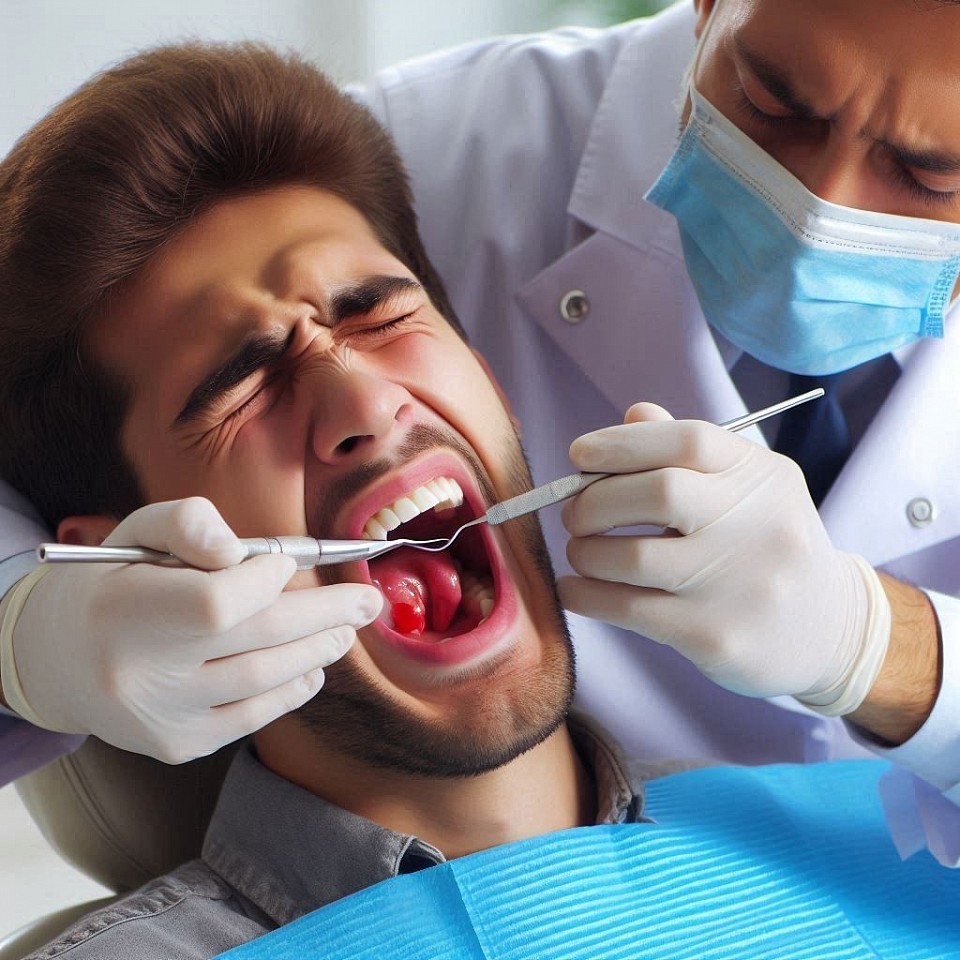
The Role of Saliva in Protecting Teeth
Why Saliva Is Essential for Oral Health
Saliva is one of the most important natural defenses in the mouth, yet many people rarely think about its role in protecting teeth. The mouth continuously produces saliva to maintain balance and support healthy oral conditions. Early discussions about oral health sometimes include insights from a dentist Chicago residents trust who explains that saliva works constantly to defend teeth against daily challenges.
Saliva performs several protective functions. It helps wash away leftover food particles that remain after meals. This cleansing action prevents bacteria from feeding on those particles for extended periods. By removing debris quickly, saliva reduces the opportunity for harmful substances to accumulate on tooth surfaces.
In addition to cleaning the mouth, saliva also neutralizes acids produced by bacteria. These acids form when bacteria break down sugars from food and drinks. If acids remain on teeth for long periods, they may weaken enamel. Saliva helps restore balance by reducing acidity and protecting enamel from damage.
Without sufficient saliva, the mouth would struggle to maintain a healthy environment. This natural fluid supports many of the processes that keep teeth strong and comfortable.
How Saliva Helps Maintain Enamel Strength
Tooth enamel is the outer protective layer that shields the inner structure of teeth. Although enamel is very strong, it faces constant exposure to acids produced by bacteria. Saliva helps protect enamel by delivering minerals that support the natural repair process.
Throughout the day, enamel undergoes small cycles of weakening and strengthening. When acids interact with enamel, they temporarily soften its surface. Saliva then helps restore lost minerals, allowing enamel to regain its strength. This process occurs repeatedly and plays a vital role in maintaining tooth durability.
Saliva also forms a thin protective coating on teeth. This coating acts as a barrier that slows down the direct contact between acids and enamel. As a result, the tooth surface remains more resistant to daily wear.
When saliva production is balanced, enamel remains better protected against environmental changes. Maintaining hydration and healthy daily habits supports this protective process.
Factors That Influence Saliva Production
Several factors affect how much saliva the mouth produces. Hydration levels are one of the most important influences. When the body is well hydrated, saliva flows more freely and performs its protective functions effectively.
Diet also affects saliva production. Certain foods encourage chewing, which stimulates the salivary glands. Crunchy fruits and vegetables often promote saliva flow because they require more chewing. This natural stimulation helps cleanse the mouth after meals.
Stress and fatigue may also influence saliva levels. During stressful periods, some individuals notice that their mouth feels dry. Reduced saliva production during these times may allow bacteria to remain on teeth longer.
Sleep patterns also play a role. Saliva flow naturally decreases during sleep, which is why nighttime oral care is especially important. Cleaning teeth before bed ensures that fewer bacteria remain active during the hours when saliva production is reduced.
Supporting Natural Saliva Function
Supporting saliva production begins with simple daily habits. Drinking water regularly helps maintain proper hydration, which allows salivary glands to function effectively. Staying hydrated also reduces the feeling of dryness that may occur during busy days.
Balanced eating habits can also encourage saliva flow. Foods that require chewing stimulate the salivary glands and promote natural cleansing of the mouth. This stimulation helps maintain a healthier oral environment.
Avoiding constant snacking may also support saliva balance. Allowing time between meals gives saliva an opportunity to neutralize acids and restore the mouth to a more balanced state.
As conversations about oral health conclude, many individuals begin to appreciate how saliva quietly protects teeth every day. When people seek advice about maintaining strong teeth through healthy habits, a dentist Chicago residents rely on may help explain how natural defenses like saliva contribute to long term oral wellness.
Member Spotlight
Urban Smiles Dental
1300 N Ashland Ave #123A
Chicago, IL 60622, USA
Phone 773-819-7724
https://urbansmileschicago.com/
Get Map Direction
https://maps.app.goo.gl/C6VoYLP3AwwQ1oq49
Many individuals choose to learn more about professional dental treatments when they begin focusing on maintaining strong teeth and healthy gums. Visiting a dentist Chicago residents trust can help people understand how different dental procedures support oral wellness. General dentistry typically focuses on monitoring oral health and identifying potential concerns early through routine care.
Cosmetic dentistry may enhance the appearance of teeth and help individuals feel more confident about their smiles. Invisalign offers a gradual approach to improving tooth alignment while allowing people to continue everyday activities comfortably. Dental implants are often used to replace missing teeth and restore natural chewing ability. Dental crowns and bridges provide structural support for teeth that require reinforcement. Root canals help preserve natural teeth by treating internal dental concerns. Emergency dentistry provides timely care for unexpected dental problems that require immediate attention. Wisdom teeth extraction may also be recommended when those teeth create pressure or discomfort. These treatments contribute to maintaining healthy teeth and supporting long term oral health.
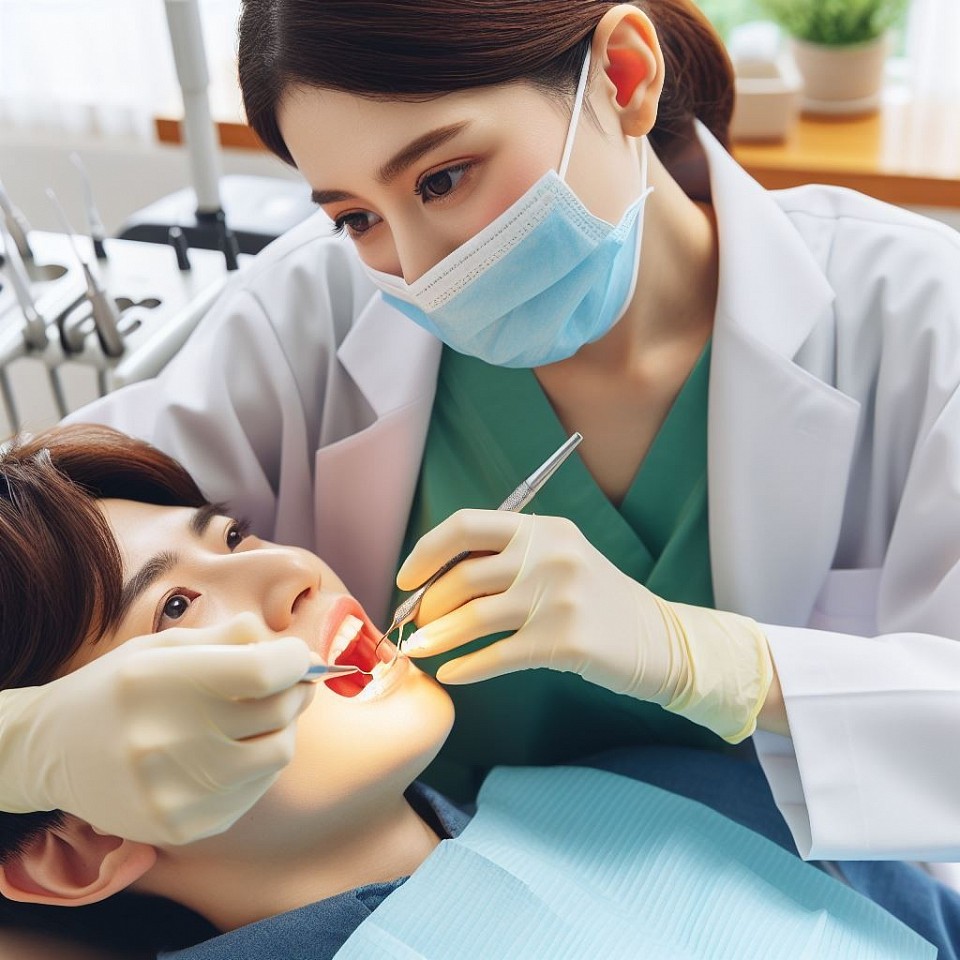
Comprehensive Dental Strategies for Long Term Oral Vitality
The path to a healthy smile is paved with consistent professional care and an understanding of modern restorative techniques. Residents looking for a dentist Chicago professional often seek a balance between essential preventive measures and advanced aesthetic improvements. Oral health is not a static condition; it requires ongoing attention to the changing needs of the teeth and gums as the body matures. From the initial stages of addressing minor cavities to the complex engineering required for full mouth restorations, the field of dentistry offers solutions that are more efficient and less invasive than ever before. By integrating high quality materials with digital diagnostic tools, practitioners can now provide highly customized care that addresses both the functional and psychological aspects of a patient’s smile, ensuring that health and confidence are maintained in equal measure over the long term.
Foundation Building through General Dentistry
General dentistry is the cornerstone of any effective health regimen, focusing on the maintenance of oral structures and the prevention of systemic disease. Regular professional cleanings are vital for the removal of biofilm and calculus that cannot be disturbed by home hygiene alone. These appointments also serve as a critical screening period for various conditions, including periodontal disease, which can have a significant impact on heart health and diabetes management. By identifying early signs of enamel demineralization, a practitioner can implement conservative treatments that stop decay in its tracks. This proactive approach not only saves the patient from future discomfort but also preserves the natural anatomy of the mouth. Education is a key component of these visits, empowering patients to refine their daily habits and use the most effective tools for maintaining their oral environment between professional checkups.
Emergency Dentistry and Immediate Clinical Intervention
Unexpected dental trauma or sudden, acute pain requires a swift and organized response to prevent permanent damage to the oral structures. Emergency dentistry is a specialized area of care that prioritizes immediate relief and stabilization for patients facing urgent issues like fractured teeth, dislodged restorations, or severe infections. When a tooth is knocked out or broken, the window for successful reattachment or repair is often quite small, making rapid access to a clinician essential. These urgent visits involve a focused diagnosis to identify the source of the pain or the extent of the injury, followed by the necessary procedures to alleviate distress. Whether the solution involves a temporary repair or an immediate root canal to address an exposed nerve, having a reliable plan for emergency care provides patients with essential peace of mind during a stressful situation.
The Artistic and Technical Balance of Cosmetic Dentistry
While the primary goal of dental care is always health, the visual appeal of a smile is a significant factor in an individual’s social and professional life. Cosmetic dentistry combines clinical skill with an artistic eye to improve the color, shape, and alignment of the teeth. Professional whitening treatments can remove years of staining from coffee, tea, or aging, providing a brighter appearance that looks natural. For more comprehensive changes, thin layers of porcelain can be used to mask imperfections such as chips, gaps, or permanent discoloration. These enhancements are carefully designed to complement the patient’s unique facial features and skin tone, ensuring the result is harmonious and attractive. Improving the aesthetics of the mouth often leads to a significant boost in self esteem, encouraging patients to be more engaged and confident in their daily interactions.
Restorative Excellence with Dental Crowns and Bridges
Restoring a smile after significant wear or tooth loss requires a combination of durable materials and precise engineering. Dental crowns are essential for protecting teeth that have been weakened by large fillings or structural cracks, acting as a custom fitted sleeve that restores the tooth to its original strength and shape. For patients missing one or more teeth, bridges offer a fixed solution that spans the gap, using the adjacent teeth as anchors for a prosthetic replacement. These restorations are vital not only for the appearance of the smile but also for maintaining the proper distribution of force during chewing. Without these interventions, the remaining teeth can drift into the empty spaces, causing bite problems and potential jaw joint issues. Modern ceramic materials ensure that these restorations are virtually indistinguishable from natural teeth, providing a long lasting and functional result.
Advanced Solutions with Invisalign and Dental Implants
Modern technology has introduced revolutionary ways to manage tooth alignment and replacement. Invisalign offers a discreet way to straighten teeth using a sequence of clear, removable aligners, making it an ideal choice for busy professionals who want to avoid the look of traditional braces. At the same time, dental implants have transformed the way we treat tooth loss by providing a permanent, bone integrated root replacement. Implants are incredibly versatile, serving as a base for single crowns, bridges, or even full sets of teeth. Because they stimulate the jawbone, they prevent the bone loss that typically follows an extraction, preserving the natural shape of the face. Both of these treatments represent the pinnacle of patient centered care, offering solutions that are highly effective, comfortable, and designed to blend perfectly with the patient’s natural anatomy and lifestyle.
Managing Oral Surgery and Wisdom Teeth Extraction
Surgical procedures are sometimes necessary to protect the long term health of the mouth, particularly when dealing with the complications of third molars. Wisdom teeth extraction is a standard preventive measure for many young adults whose jaws cannot accommodate the extra teeth. If left in place, impacted wisdom teeth can cause pain, infection, and damage to the surrounding healthy molars. The extraction process is managed with advanced techniques that prioritize the patient's comfort and minimize the recovery time. Additionally, root canals are performed to save teeth that have suffered deep internal damage, removing the infected pulp and sealing the canal to prevent future issues. These procedures are essential components of a comprehensive dental strategy, ensuring that infections are cleared and the structural integrity of the mouth is maintained. Finding a dentist Chicago residents trust ensures that even complex surgical needs are handled with the highest level of care.
Member Spotlight
Urban Smiles Dental
1300 N Ashland Ave #123A
Chicago, IL 60622, USA
Phone 773-819-7724
https://urbansmileschicago.com/
Get Map Direction
https://maps.app.goo.gl/C6VoYLP3AwwQ1oq49
At Urban Smiles Dental, our compassionate team strives to provide high-quality dental care using advanced technology. We care about your comfort first, and we will do everything we can to make sure your anxiety and pain go away. We offer a wide variety of services across family dentistry, cosmetic dentistry and Children’s dentistry in Chicago from our local dental clinic, including smile makeovers, tooth extraction, implants, endodontics, gum disease treatment, oral surgery, teeth whitening, and much more. If you need an emergency dentist in Chicago, give us a call right away. We are dedicated to providing a personalized experience that meets the unique needs of every individual who walks through our doors. If you are searching for a Wicker Park dentist who prioritizes both your comfort and your clinical outcomes, our team is here to help you achieve the lasting oral health you deserve through expert care and modern technology.